What NYC Homeowners Need to Know Before Choosing
If you own an apartment in Manhattan, Brooklyn, or Queens, choosing between engineered hardwood and solid hardwood isn’t just about looks.
It’s about:
- Concrete subfloors
- Building requirements
- Humidity control
- Long-term durability
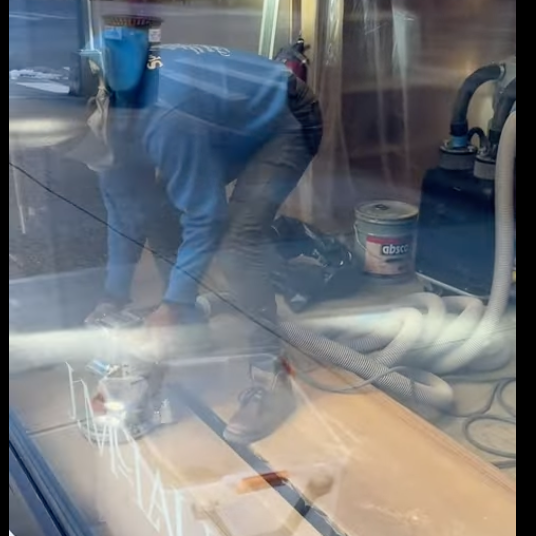
Video on Engineered Hardwood Flooring:
What’s the Difference?
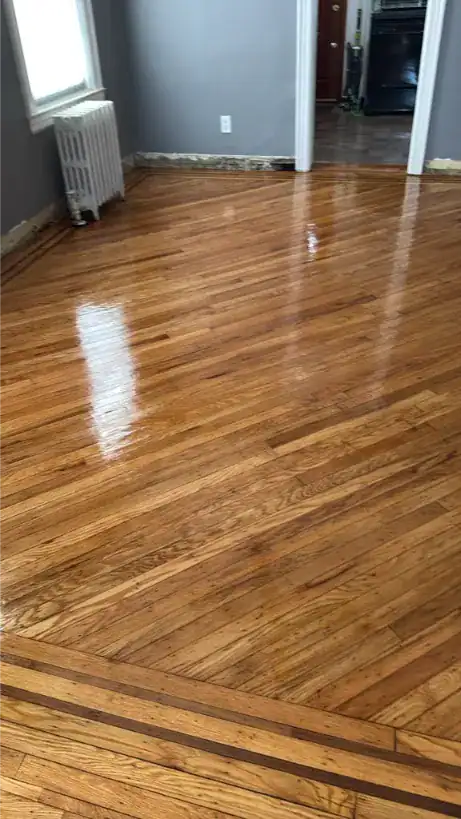
Solid Hardwood Flooring
- Made from one solid piece of wood
- Typically ¾” thick
- Can be sanded and refinished many times
- Nailed into wood subfloors
Solid hardwood performs beautifully in brownstones or homes with plywood subfloors.
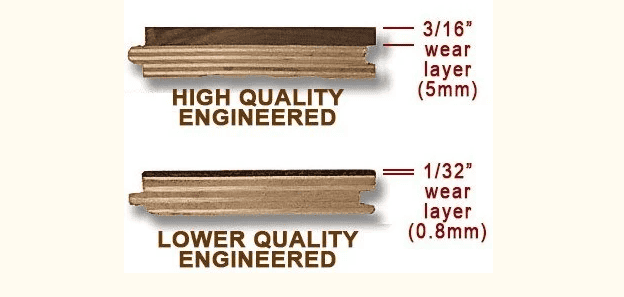
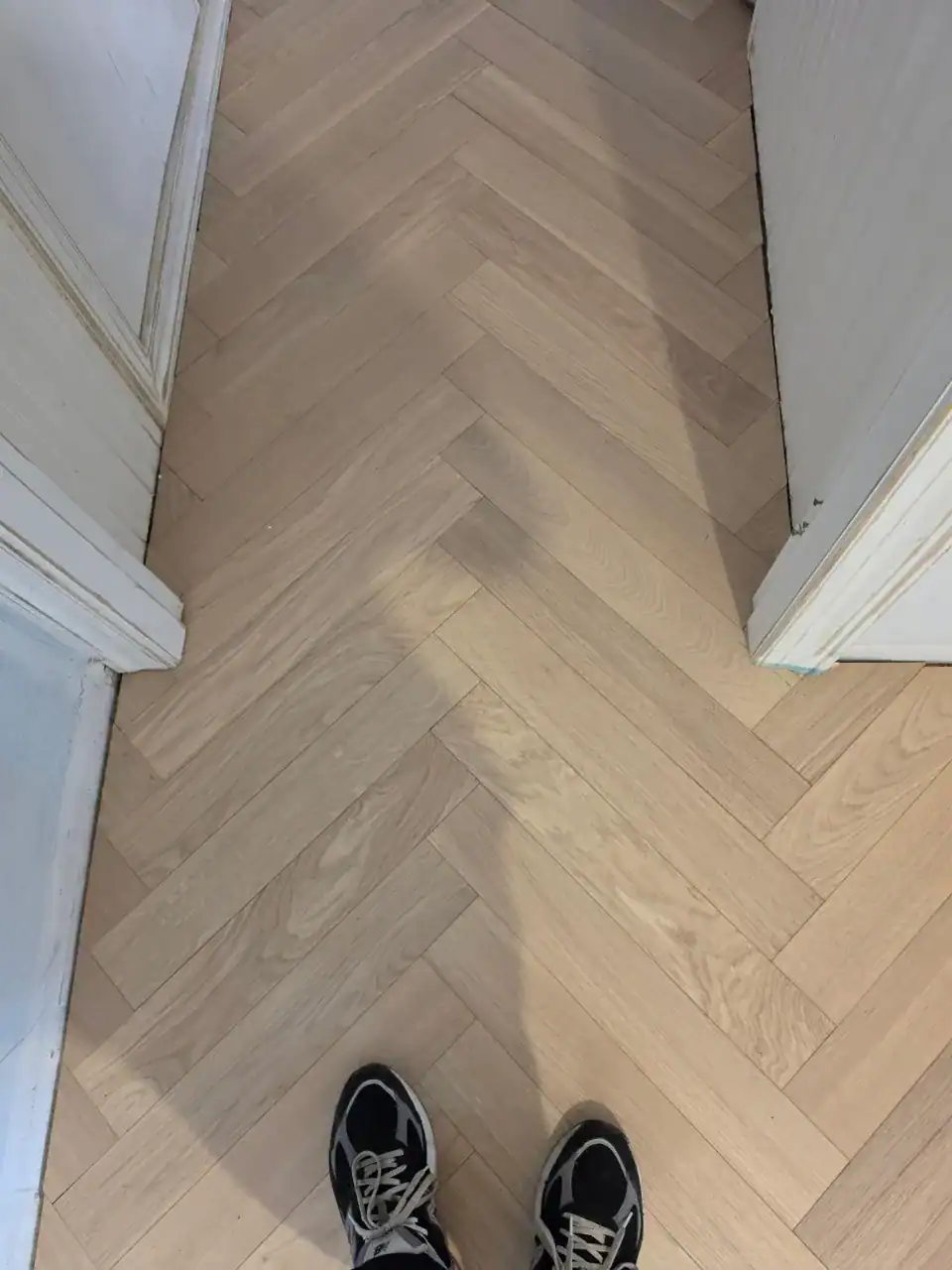
Engineered Hardwood Flooring
- Real hardwood top layer (wear layer)
- Multiple plywood layers underneath
- Designed for stability
- Can be glued over concrete
In Manhattan high-rises, where concrete slabs are standard, engineered flooring is usually the best choice.
Why Concrete Changes Everything in NYC
Most Manhattan apartments sit on concrete subfloors.
Solid hardwood:
- Cannot be nailed into concrete
- Requires plywood build-up (adds height + cost)
- Increases labor significantly
Engineered hardwood:
- Can be glued directly to concrete
- Keeps floor height minimal
- Meets many building sound rules
This is why engineered hardwood dominates NYC condo and co-op renovations.
Which Is More Stable in Apartments?
NYC apartments experience:
- Seasonal humidity swings
- Radiator heat in winter
- AC in summer
- Limited ventilation
Engineered hardwood handles these fluctuations better because of its cross-layered core.
Solid wood expands and contracts more noticeably.
In high-rise buildings, stability matters.
Refinishing: Which Lasts Longer?
Solid Hardwood
- Can be refinished 5–7 times
- 50+ year lifespan possible
Engineered Hardwood
- Depends on wear layer thickness
- 3–4mm wear layer = 1–2 sandings
- 20–40 year lifespan is common
Sound Requirements in Co-Ops & Condos
Most Manhattan buildings require:
- Soundproofing underlayment or soundproofing glue
- Specific underlayment ratings
- Glue-down installations
Engineered hardwood works better with these systems.
Solid hardwood can meet requirements but usually with added cost
Engineered vs Solid Hardwood Aesthetic Differences
From the surface, you cannot visually tell the difference.
Both are real wood.
Both come in:
- White Oak, Red Oak, Walnut, etc.
- Wide plank
- Pre-finished
- Unfinished
When Solid Hardwood Makes Sense in NYC
Solid hardwood is ideal for:
- Brownstones with wood subfloors
- Landmark restorations
- Clients wanting maximum refinish potential
- Traditional plank installations
When Engineered Hardwood Is the Better Choice
Engineered hardwood is ideal for:
- High-rise condos
- Concrete slab buildings
- Radiant heat systems
- Wide plank designs (wider than 5″)
- Faster installation timelines
In most Manhattan apartments, engineered hardwood is the practical winner.
So, Which Is Better: Solid Hardwood or Engineered Hardwood?
It depends on the building.
For 90% of NYC high-rise apartments:
Engineered hardwood is more practical.
The key isn’t “which is better?”
It’s “which is better for your building?”
Final Thoughts
Choosing the wrong flooring in NYC can lead to:
- Height issues at doors
- Building Management / Board rejections
- Cost overruns
Choosing the right one creates:
- Stability
- Long-term value
- Design flexibility
- A smooth installation process
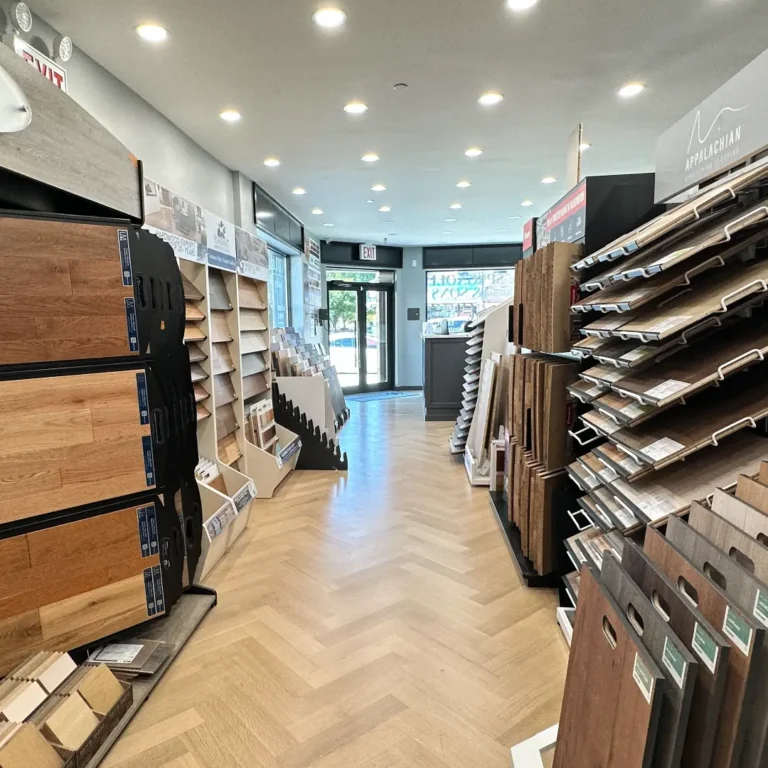
If you’re unsure which option fits your Manhattan apartment, visit our showroom or schedule a consultation. We’ll walk you through real samples and explain exactly what works best for your building.